
 By Avery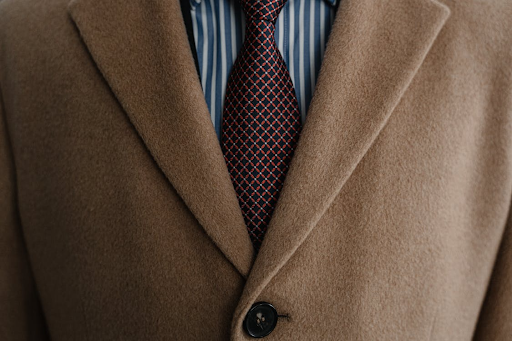
People enjoy wearing things that look fresh and well-kept, so learning a few simple habits makes a big difference. Care routines help fabrics stay smooth, bright, and presentable for a long time. Some delicate accessories need a softer touch, especially those that mark easily or change texture when handled the wrong way. When you build a steady routine, everything stays in better shape and feels good to wear. Safe washing choices, gentle stain care, and smart storage all help bring out the best in what you wear each day.
Here’s how you can make your wardrobe last longer and stay neat through regular use:
Sort and Store with Simple Habits
Good care starts with sorting what you wear based on color and fabric type. This keeps dyes from moving onto light pieces and stops rough textures from rubbing against soft materials. Fold heavier pieces so they don’t stretch. Hang lighter fabrics so they hold their shape. Use soft hangers that avoid pulling at the shoulders. Give each piece enough room so nothing bunches up or creases. When you place things in drawers, avoid packing them too tightly because that adds pressure and wrinkles. A simple routine like this keeps everything in better condition and prevents early signs of wear.
Care for Delicate Accessories with Gentle Methods
Many delicate accessories, like ties, need careful handling because stains show up quickly and can set deep into the fibers. Silk ties respond badly to quick scrubbing or strong products. This is where professional tie cleaning helps, as it restores the softness and finish without harsh steps. Expert tailoring and dry-cleaning services can help with these problem areas. They know how to lift marks without harming the texture. If a tie gets stained, they treat it with close attention and the right formula. They handle stain removal, gentler washes, and safe drying methods so the accessory stays polished.
Wash with the Right Water Temperature
Different fabrics react differently to heat, so choosing the right water level matters. Cool settings work well for softer materials because they help keep colors bright and reduce shrinking. Warm settings handle sturdier pieces when you want a deeper clean. Hot cycles often fade hues faster and break down fibers. Pairing the right temperature with the correct load size also helps prevent damage. When you avoid mixing heavy and delicate fabrics, everything rotates better inside the machine. This reduces friction and helps each piece stay smooth. With regular attention to these details, your wardrobe stays in good condition through normal wash cycles.
Pick Mild Cleaners for Better Results
A gentle cleaner helps keep fibers strong. Strong formulas may strip color or change texture over time. Mild products work well for everyday care because they protect softness and keep colors bright. Look for products labelled as gentle or suitable for delicate washes. They break down dirt without harming the structure of the fabric. This helps each piece keep its shape. Using too much product can also create buildup, so measure the amount instead of pouring freely. A simple routine like this prevents fading and helps everything look polished. You save money long-term because your clothes last longer with softer cleaning steps.
Treat Stains Early with Simple Steps
Quick action makes stain care easier. Blot new spots with a clean cloth so the mark doesn’t spread. Avoid rubbing because friction forces the stain deeper. Use a small amount of water first to lift the spot. If it stays, try a gentle cleaner suitable for the fabric. Keep a small stain remover pen in your bag for sudden accidents. These tools help in the early moments before a mark settles. For tougher stains, work slowly and dab instead of dragging the cloth. If the mark refuses to lift, set the piece aside for special cleaning later. Steady, gentle steps protect the fabric.
Press and Steam the Safe Way
Ironing helps create a neat, polished look. Steaming softens wrinkles without heavy pressure. Both methods work, but choosing the right one protects the fabric. Use a low heat setting for delicate materials so they don’t shine or stiffen. Cotton and linen handle higher heat better. Move the iron in smooth lines without leaving it in one spot for too long. When using a steamer, hold the device a small distance from the surface and glide slowly. This keeps the material smooth without flattening the fibers. With practice, these steps help your wardrobe stay crisp through regular use.
Handle Buttons, Closures, and Trim with Care
Small details affect how neat your clothing looks. Buttons, closures, and trim pieces need periodic checks. Loose buttons fall off easily, so tighten them before they drop. Check closures to make sure they move smoothly. When a thread begins to fray, snip it clean instead of pulling it. This stops it from growing longer. Trim details also need gentle handling so they don’t snag. Store pieces with delicate edges away from rough textures that might catch. These small steps prevent bigger issues later. A few minutes of attention keep everything looking polished.
Good care keeps what you wear looking polished. Small steps, like gentle washing, careful stain treatment, and steady storage habits, help fabrics stay smooth and bright. Delicate accessories need even closer attention, and safe cleaning choices protect them from damage. When you rotate what you wear, handle details gently, and refresh between uses, everything stays in better shape. A simple routine supports long-lasting quality and helps each piece look its best. Let these habits guide you so your wardrobe feels new for longer.