
 By Avery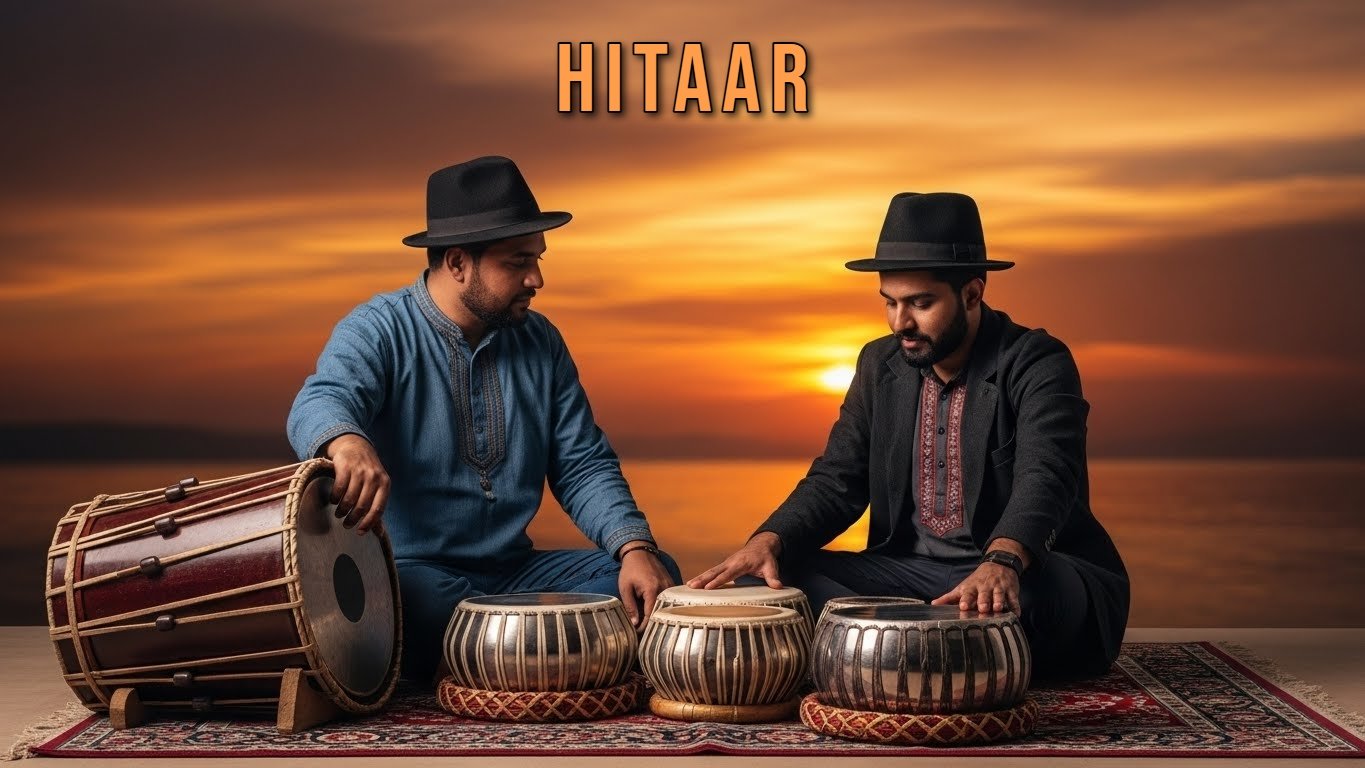
Hitaar is not just a word; it’s a vibrant thread woven into the fabric of culture. In many communities, this term sparks curiosity and reverence alike. What does Hitaar really signify? Why does it hold such profound meaning for those who embrace it? Join us as we embark on an exciting journey to uncover the layers of Hitaar, exploring its significance in tradition and modern life. From its historical roots to contemporary adaptations, prepare to immerse yourself in a world that celebrates connection through sound, art, and community. Let’s dive deep into the essence of Hitaar!
Hitaar serves as a vital cultural anchor in many societies, representing more than just art; it embodies identity and tradition. Each performance resonates with stories passed down through generations, inviting listeners to experience the emotions tied to their heritage.
The significance of Hitaar extends beyond mere entertainment. It fosters community bonds, serving as a medium for social gatherings and celebrations. As participants engage with this practice, they not only honor their ancestry but also keep the spirit of Hitaar alive for future generations.
Exploring Hitaar
Hitaar is a captivating cultural practice that embodies rich traditions and deep connections to community life. It resonates with those who engage in its rituals, creating a shared experience that transcends generations.
You Might Also Like: Türk İdla
Exploring hitaar reveals layers of meaning through its sounds, movements, and expressions. Each element serves as both a celebration and reflection of identity, making it an essential part of the cultural tapestry where it’s practiced. Engaging with hitaar allows individuals to connect authentically with their heritage.
What Hitaar Means
Hitaar is a term rich with meaning, often associated with harmony and connection. It represents not just a practice but an entire way of life for many cultures. This concept emphasizes the importance of community, tradition, and shared experiences.
In essence, hitaar embodies unity through art and expression. It invites individuals to engage deeply with their roots while fostering relationships among people who cherish this cultural treasure. The word resonates beyond its definition; it reflects values that bind communities together.
The Cultural Practice of Hitaar
Hitaar is more than just a musical expression; it’s a cultural tapestry woven into the lives of those who practice it. This tradition often involves gatherings where communities come together, sharing stories through song and rhythm, strengthening bonds.
The rituals surrounding Hitaar highlight its role in celebrations and rites of passage. Participants engage deeply with their heritage while passing down knowledge to younger generations. Each note played carries history, emotion, and identity—making Hitaar an integral part of cultural preservation.
The Instrument Called Hitaar
The hitaar is a traditional stringed instrument that holds a unique place in various cultures. Crafted from wood, it features intricate carvings and resonant strings that produce enchanting melodies. Musicians often use it to express deep emotions, making it an essential part of celebrations and rituals.
Playing the hitaar requires skill and passion. Its distinct sound can evoke nostalgia, joy, or even melancholy. As performers master their craft, they breathe life into this timeless instrument, ensuring its legacy continues for generations to come.
Modern Adaptations of Hitaar
In recent years, hitaar has seen a resurgence in contemporary music scenes. Artists blend traditional rhythms with modern genres like pop and electronic, creating an exciting fusion. This evolution helps introduce the instrument to younger audiences.
New technology also plays a role in this transformation. Digital platforms allow musicians to collaborate across borders, integrating various instruments into their work. As hitaar adapts, it retains its cultural roots while embracing innovation and creativity. The result is a vibrant musical landscape that honors tradition yet looks forward.
Understanding the Essence of Hitaar
Hitaar embodies more than just a cultural practice; it resonates with the spirit of community and connection. This unique tradition breathes life into gatherings, allowing individuals to express their identities through rhythm and melody.
At its core, Hitaar fosters a sense of belonging. People come together to share stories, celebrate milestones, and honor their heritage. The experience transcends mere performance; it’s an invitation to immerse oneself in the rich tapestry of emotions that define this vibrant cultural expression.
History and Origins
The history of hitaar is rich and complex, tracing back to ancient traditions that honored community gatherings. This cultural practice intertwines music, storytelling, and rituals, making it a vibrant part of the social fabric.
Originally practiced in specific regions, hitaar evolved over centuries. It absorbed influences from various cultures while retaining its core essence. Each performance tells a story steeped in heritage and local lore, showcasing the resilience of traditions through generations.
The Unique Elements
Hitaar is distinguished by its vibrant colors and intricate patterns, often reflecting the cultural heritage of the community it originates from. Each piece tells a story through its design, evoking emotions and memories tied to ancestral traditions.
The craftsmanship involved in creating hitaar sets it apart. Artisans dedicate countless hours to perfecting their techniques, ensuring that every detail resonates with authenticity. This dedication not only preserves history but also fosters a deep connection between generations, making hitaar an irreplaceable part of cultural identity.
Global Influence
The influence of hitaar extends far beyond its cultural roots. It has captivated audiences globally, inspiring musicians and artists from various backgrounds to incorporate its unique sound into their work. This cross-cultural exchange enriches not only the art form but also fosters a deeper appreciation for diverse traditions.
As artists blend hitaar with different musical genres, it creates an innovative fusion that resonates worldwide. Such collaborations highlight how music can serve as a universal language, connecting people across borders through shared rhythms and emotions.
Impact of Technology
Technology has significantly transformed the world of hitaar. Digital platforms now enable artists to share their work with a global audience, creating new opportunities for collaboration and exposure. Streaming services have made it easier than ever for enthusiasts to discover diverse interpretations and styles.
Moreover, advancements in instrument design have led to innovative variations of hitaar. Musicians can experiment with enhanced sound quality and features, pushing the boundaries of traditional practices while staying true to their roots. This fusion enhances both creativity and accessibility within the community.
Challenges and Controversies
Hitaar faces its share of challenges, particularly in the realm of cultural appropriation. As it gains popularity beyond its traditional roots, some argue that commercialization dilutes its essence. This tension raises questions about authenticity and respect within diverse communities.
Controversies also arise regarding the preservation of Hitaar practices amid modernization. Younger generations may find themselves torn between tradition and contemporary influences. Balancing innovation with heritage becomes critical for those deeply connected to this art form as they navigate evolving societal landscapes.
Immersing in the World of Hitaar
To truly immerse yourself in the world of hitaar, one must embrace its rhythms and melodies. Attend local performances where the music reverberates through your soul. Engage with artists who bring this cultural practice to life, sharing stories that resonate deeply.
Participating in community workshops can also enhance your understanding. Here, you’ll learn about the intricate techniques behind playing the instrument and appreciate its rich history. Each strum connects you to a legacy that transcends time and geography, inviting exploration at every turn.
Why People Are Drawn to Hitaar
People are drawn to hitaar for its rich cultural tapestry and emotional depth. This captivating practice evokes a sense of connection, bringing together communities through shared experiences and traditions.
The rhythmic melodies resonate with many, allowing individuals to escape the chaos of everyday life. Whether through performance or participation, hitaar creates an inviting space that celebrates heritage while fostering new connections among those who appreciate its beauty. The allure lies in both its history and the communal spirit it inspires.
Where to Experience Hitaar Today
For those eager to experience hitaar, cultural festivals are among the best venues. Events celebrating regional traditions often feature live performances where skilled artists showcase this vibrant practice. Engage with local communities and immerse yourself in the rhythms.
Museums dedicated to preserving cultural heritage also offer exhibitions on hitaar. Workshops may be available, allowing participants to learn about its intricacies firsthand. Seek out these opportunities in your area, or plan a visit to regions known for their rich hitaar history.
The Enduring Allure
Hitaar captures the imagination with its rich traditions and vibrant expressions. Its rhythmic sounds resonate deeply within communities, evoking emotions that transcend time and place. Each note tells a story, connecting generations through shared experiences.
The allure of Hitaar lies not only in its beauty but also in its ability to adapt and evolve. As it intertwines with modern influences, it continues to inspire artists and enthusiasts alike. This dynamic nature ensures that Hitaar remains relevant, captivating audiences around the world.
Incorporating Hitaar into Daily Life
Incorporating hitaar into daily life can be a fulfilling experience. Start with small practices, such as listening to traditional hitaar music during meals or while working. This not only enhances your environment but also connects you to its rich cultural roots.
Consider taking part in local workshops or community gatherings focused on hitaar. Engaging with others who share this interest fosters a sense of belonging and allows for deeper exploration of its significance, enriching both your life and the lives of those around you.
Conclusion and Reflection
Hitaar represents more than just a practice or instrument; it embodies a rich tapestry of culture and tradition. As we explore its impact, we see how it connects generations and communities through shared experiences. The blend of history, artistry, and modernity makes Hitaar a captivating subject worth delving into.
Connecting with Hitaar allows us to appreciate the diversity of human expression. Whether you’re drawn by the music, the stories behind it, or its cultural significance, there’s something for everyone in this vibrant world. As interest grows globally, so does our opportunity to engage with such an important cultural element.
Embracing Hitaar enriches our lives and deepens our understanding of different cultures. It invites curiosity and fosters connections among people from all walks of life—a beautiful reminder that art transcends boundaries.