
 By Avery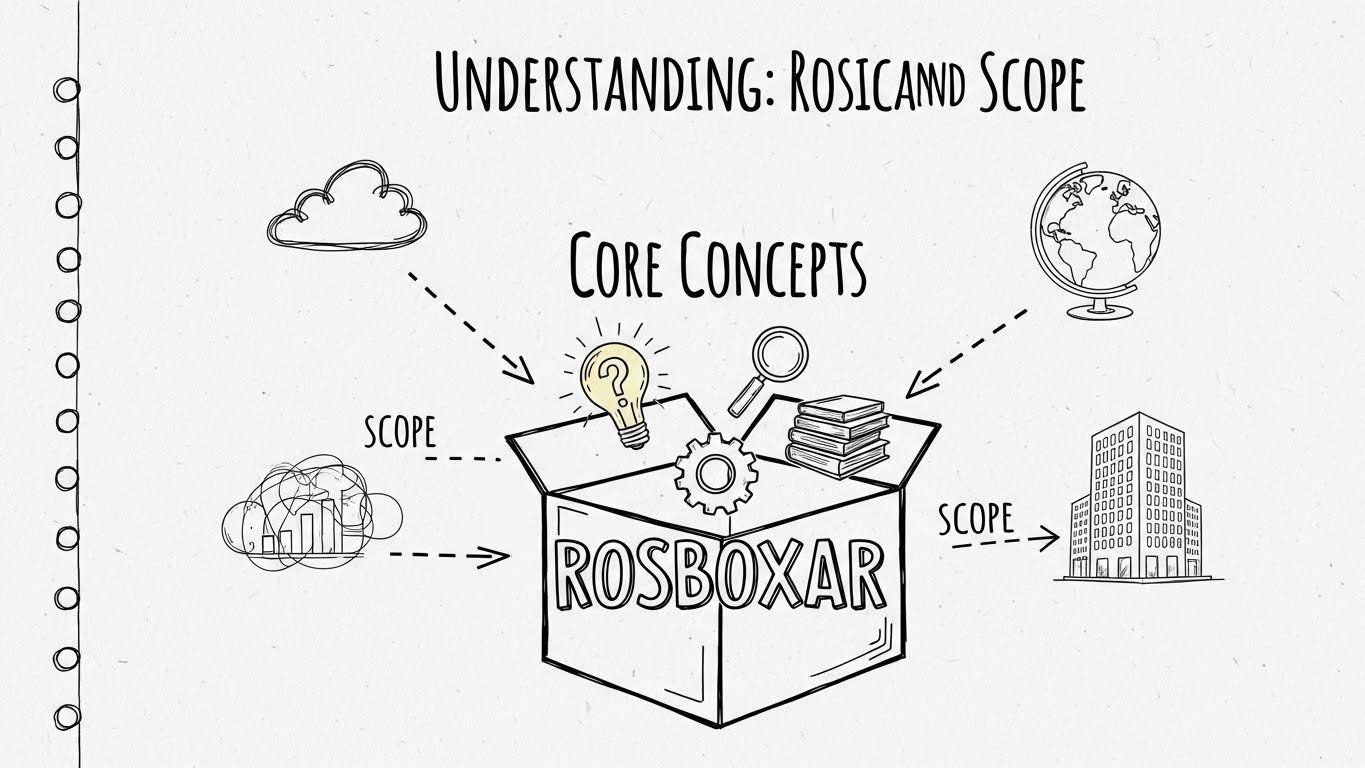
Welcome to the world of Rosboxar, where digital growth meets innovation and efficiency. As businesses navigate through the complexities of data management, Rosboxar steps in as a transformative solution that redefines how organizations approach their information landscape. Whether you’re a seasoned tech enthusiast or new to data strategies, this article will take you on a journey through the core concepts and functionalities of Rosboxar. Get ready to unlock insights into its architectural principles, performance characteristics, and real-world applications that propel modern enterprises forward!
Rosboxar is revolutionizing the way businesses handle data. At its core, it integrates advanced technologies to streamline data processing and enhance operational efficiency. This modern framework empowers organizations to harness their data effectively, driving informed decision-making.
The scope of Rosboxar extends beyond traditional models. It supports diverse environments, adapting seamlessly to various industries and use cases. By fostering collaboration between teams and systems, Rosboxar ensures that valuable insights are accessible when they matter most. Its flexible architecture opens up new possibilities for growth in an increasingly digital landscape.
Core Architectural Principles and Structural Components
Rosboxar is built on a foundation of modern architectural principles that prioritize scalability and flexibility. Its modular design allows for easy integration with various data sources, enabling businesses to adapt quickly to changing needs.
Structural components include data ingestion modules, processing engines, and storage solutions that work seamlessly together. This architecture ensures efficient data flow while maintaining high performance. By leveraging distributed systems, Rosboxar can handle vast amounts of information without compromising speed or reliability, making it an ideal choice for organizations seeking robust digital growth strategies.
Managing Data Lifecycle in Rosboxar
Managing the data lifecycle in Rosboxar is crucial for ensuring efficient data handling and performance. It emphasizes the importance of each stage, from creation to archiving. The platform allows users to automate processes, minimizing manual interventions.
Data governance becomes seamless with Rosboxar’s built-in tools that facilitate tracking and monitoring. Users can easily categorize data based on relevance, usage frequency, or compliance requirements. This structured approach not only enhances operational efficiency but also ensures that valuable insights are readily accessible when needed.
Comparing Rosboxar with Traditional Data Pipelines
Rosboxar revolutionizes data handling by offering a more flexible approach compared to traditional data pipelines. Traditional systems often rely on rigid structures, making it challenging to adapt to evolving business needs. Rosboxar’s modular architecture allows for seamless integration and scalability.
Moreover, while conventional pipelines may struggle with real-time processing, Rosboxar excels in managing dynamic data flows efficiently. This capability not only enhances performance but also supports innovative use cases that can drive growth and insights far beyond the limitations of older technologies.
Governance, Compliance, and Security in Rosboxar
Governance, compliance, and security are paramount in Rosboxar’s architecture. Organizations utilizing this framework can establish robust governance models that ensure data integrity and accountability. This is vital as data privacy regulations become stricter across the globe.
Security mechanisms within Rosboxar integrate seamlessly with its core functionalities, protecting sensitive information throughout the data lifecycle. By employing advanced encryption techniques and access controls, users can confidently manage their data while adhering to industry standards. These measures create a secure environment conducive to trust and innovation.
Rosboxar Performance Characteristics and Integration Patterns
Rosboxar exhibits impressive performance characteristics that make it a powerful choice for data management. Its ability to handle large datasets with speed and efficiency sets it apart from traditional systems. Scalability is seamless, ensuring businesses can grow without worrying about performance bottlenecks.
Integration patterns in Rosboxar are versatile, allowing compatibility with various tools and platforms. This flexibility fosters an ecosystem where data flows smoothly across channels. Developers appreciate the ease of integrating existing workflows into Rosboxar’s architecture, enhancing productivity while maintaining robust performance standards.
Use Cases and Operational Insights
Rosboxar offers an array of compelling use cases that cater to diverse industries. From real-time data analytics in e-commerce to enhancing customer experiences in fintech, its applications are wide-ranging and impactful. Organizations leverage Rosboxar for streamlining operations, improving decision-making processes, and driving innovation.
Operational insights gained from implementing Rosboxar can significantly boost efficiency. Companies have reported reduced data processing times and improved resource allocation. With features tailored for scalability, businesses find themselves better equipped to handle evolving demands while maintaining a competitive edge in their respective markets.
Deployment Requirements and Limitations
Deploying Rosboxar requires a solid infrastructure foundation. Organizations need robust hardware, including powerful servers and ample storage capacity to manage large data volumes efficiently. Additionally, having a reliable network connection is crucial for seamless data flow.
However, there are limitations to consider. Not all existing systems may integrate smoothly with Rosboxar, necessitating potential upgrades or replacements. Moreover, the learning curve associated with its architecture can pose challenges for teams unfamiliar with modern data processing frameworks. Understanding these requirements helps in planning effective deployments tailored to specific business needs.
Exploring Rosboxar’s Impact: Case Studies and Solutions
Rosboxar has revolutionized how organizations approach data management. Companies across various sectors have harnessed its capabilities to streamline operations, enhance decision-making, and drive innovation. For instance, a leading retail brand utilized Rosboxar to optimize inventory tracking, resulting in reduced costs and improved customer satisfaction.
Another notable case involves a financial institution that leveraged Rosboxar for real-time data analytics. This shift enabled better risk assessment and regulatory compliance. These examples showcase Rosboxar’s potential to transform business practices by providing tailored solutions that meet specific industry needs while fostering digital growth.
Addressing Frequently Asked Questions about Rosboxar
Many users have questions about Rosboxar’s functionality and its benefits. Common inquiries often revolve around its integration capabilities, data management features, and scalability options. Understanding these aspects is crucial for making informed decisions.
Another area of interest involves the support systems in place for new users. People frequently ask about learning resources, community engagement, and customer service availability. These factors significantly impact user experience and overall satisfaction with Rosboxar’s offerings. Engaging with the community can also enhance understanding and application of this powerful tool.
The Evolution of Rosboxar: A Cultural Movement
Rosboxar is more than just a technology; it’s a cultural shift within the digital landscape. As organizations embrace data-driven strategies, Rosboxar fosters collaboration and innovation among teams. This platform empowers users to think creatively about how they manage and utilize data.
The adoption of Rosboxar has inspired communities to share knowledge and experiences. It encourages an ethos where learning from one another becomes vital for progress. This movement not only enhances technical capabilities but also nurtures a culture of adaptability in an ever-evolving digital world.
Conclusion and Future Prospects
The future of Rosboxar looks promising as it continues to evolve and adapt to the demands of digital growth. Organizations are increasingly recognizing its potential for enhancing data management and operational efficiency. As more companies adopt this innovative framework, we can expect a surge in collaboration and knowledge sharing within the community.
Emerging technologies such as artificial intelligence and machine learning will further augment Rosboxar’s capabilities, enabling smarter data-driven decisions. The ongoing development of best practices will ensure that businesses can harness its full power while maintaining compliance with governance standards.
As Rosboxar matures, it holds the promise of transforming not just organizational processes but also entire industries. Watching how it unfolds offers excitement for stakeholders eager to embrace digital transformation.